

SEMINAR – THE ART OF PALPATION 16 TO 19 JULY IN BARAGAZZA (BO)
16 July 2026 - 19 July 2026
| €700Teacher: Paolo Desirò DO Pt
from 16 to 19 June 2026
Baragazza (BO)
Intensive Course in Tissue Perception and Manual Listening in a Natural Environment
Course Description
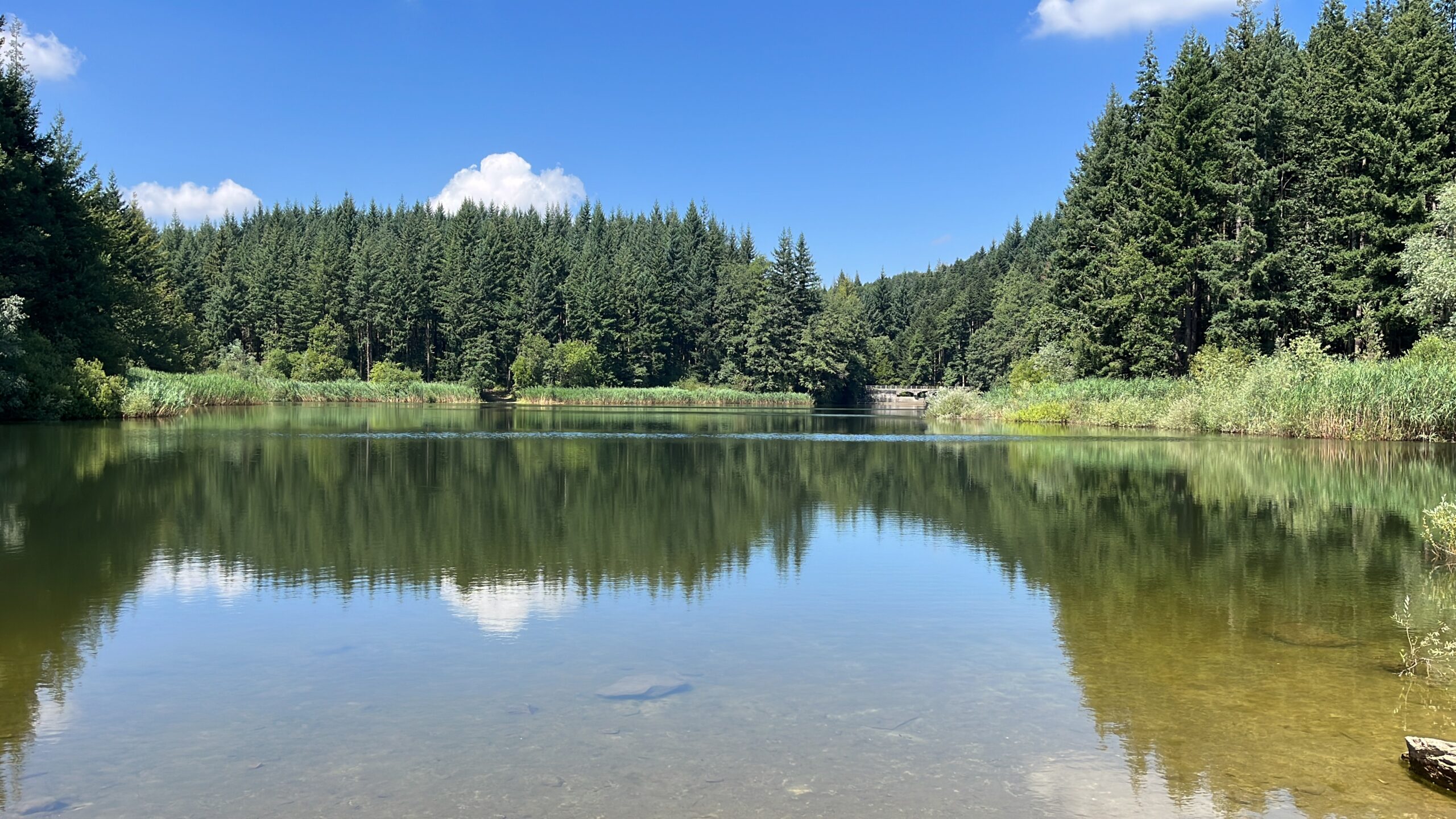
This course offers an intensive training experience immersed in nature, in the nearby woodland and, weather permitting, with practical work in water at a lake located at 1000 meters above sea level.
The natural environment becomes an integral part of the learning process, supporting the refinement of manual perception and the development of the practitioner’s ability to listen to the patient’s body.
The aim of the course is to develop greater sensitivity in recognizing tissue qualities, their rhythms and dynamics, while improving the practitioner’s neutrality, presence, and perceptual awareness.
Learning Objectives
At the end of the course, participants will be able to:
-
recognize and differentiate different qualities of tissue density
-
perceive and respect the patient’s rhythms
-
improve practitioner neutrality during treatment
-
promote fluid circulation through rhythmic work
-
understand and apply still points
-
recognize and work with tissues exhibiting vibratory qualities
Course Structure
-
Duration: 4 intensive days
-
Format: theoretical-practical lessons, experiential work, practice in nature, individual, pair and group work
Schedule
-
Thursday, July 16, 2026: 9:00–13:00 / lunch / 14:30–17:30
-
Friday, July 17, 2026: 9:00–13:00 / lunch / 14:30–17:30
-
Saturday, July 18, 2026: 9:00–13:00 / lunch / 14:30–17:30
-
Sunday, July 19, 2026: 9:00–13:00
Detailed Program
Day One – Tissue Density
The first day is dedicated to the study of density, a fundamental parameter and one of the most easily identifiable under the practitioner’s hands.
Topics:
-
concept of tissue density
-
functional bone density
-
pathological bone density (e.g. osteoarthritis)
-
soft tissue density: muscles, tendons and ligaments
-
visceral density
-
cerebral density
Day Two – Visceral Density and Rhythms
In-depth study of visceral and cerebral densities and introduction to rhythmic work.
Topics:
-
assessment of visceral densities
-
cerebral density
-
introduction to tissue rhythms
-
relationship between rhythm and fluid circulation
-
initial practical approaches to rhythmic work
Day Three – Rhythms, Tide and Still Point
The third day focuses on developing the practitioner’s ability to respect the patient’s rhythm.
Topics:
-
education in practitioner neutrality
-
difference between practitioner rhythm and patient rhythm
-
the tide and the long tide
-
group work to verify respect for the patient’s rhythm
-
still point: definition and approach
-
still points in different tissues:
-
fluids
-
joints
-
connective tissue
-
Day Four – Vibratory and Vibrational Techniques
The fourth day focuses on working with tissues that present a vibratory quality.
Topics:
-
endocrine tissues and their perceptual characteristics
-
vibratory work applied to visceral tissues
-
approaches to reducing visceral spasms
-
applied example: work on the gallbladder
Practical work in water will take place in a small lake on Monte Tavianella, a few kilometers from the training site. Rock shoes or athletic shoes are recommended, especially for those who do not enjoy the sensation of a clay-based lakebed. Access to the lake involves a 10-minute walk through the forest; athletic shoes are recommended. On the days when the group goes to the lake, sessions will end approximately 30 minutes earlier.
Target Participants
The course is intended for osteopaths who wish to deepen their skills in tissue perception, manual listening and rhythmic work.
Course Fee
The course fee is €700 and includes coffee breaks with tea and biscuits, as well as light lunches on Thursday, Friday and Saturday.
Accommodation
-
Hotel Bellavista: +39 0534 898166
-
Agriturismo Ca’ di Magnani: +39 331 7544203
Teaching Methodology
-
experiential learning
-
guided practice
-
work in pairs and groups
-
conscious use of the natural environment as a training tool
Seminar Location: Via Ca Tofacchi 4, Florence Baragazza (BO)
TPhone: +39 3336209898
Seminar hours: Thursday, Friday and Saturday: from 9.00 am to 1.00 pm – 2.30 pm to 5.00 pm; Sunday from 9.00 a.m. to 2.30 p.m.
Minimum Requirements: 5th Year Osteopathic Student
Participants: The course is activated with a minimum number of 8 participants and the limit of participants is 12 participants.
Costs: The course fee per seminar is € 700.00
Payment method: to register, make a bank transfer to the account of Paolo Desirò, BANCO BPM AG2 Firenze, IBAN IT75 I 05034 02800 000000140460 within 30 days and forward it by email to formazionedesiro@gmail.com together with your tax data
Program
- Dental concepts of centric relationship and centric occlusion and knowledge of dental rehabilitation protocols.
Knowledge of the craniomandibular system and its practical part.
Introduction to embryology and anatomy of the jaw. The anatomy and physiology of the temporomandibular joint and the closing muscles.
Some schools of thought of the various manual therapy formations regarding occlusion and ascending or descending problems.
The physiology of eye movement in relation to occlusion.
The roles of fasciae and fascial chains related to the stomatognathic system.
Treatment of the cerebellum and brain.
Treatment of cranial nerve nuclei. related to the buccal cavity.
Language and its functions.
Tongue and swallowing, correlations with static classes of occlusion.
The tongue and opening muscles relate to the fascial chains and viscera.
Anatomy and physiology of hyoid bone and its muscles.
Treatment of the lungs and pleura.
Treatment of the mediastinum.
Treatment of the pleural dome.
Treatment of the subclavicular fascia.
Treatment of medium and deep cervical fascia.
Treatment of hyoid bone.
Treatment of the upper and lower hyoid muscles.
Tongue treatment.
Treatment of TMJ ligaments.
Treatment of closing muscles with strain-counterstrain techniques and muscle energy.
Correlations between fascial chains and closing muscles.
Dysfunctions of the jaw and their treatment.
The upper jaw: embryology and anatomy.
The physiology of the upper jaw and the treatment of its dysfunctions.
Manual therapy as a complementary rehabilitation protocol to orthodontics.
Anatomical notes of cranial nerves related to the occlusal system and their treatment.
Embryology and anatomy of teeth.
Angle’s classes.